
Innovate Urban
Driving Impact Through Consulting & Communications
Madhya Pradesh Housing & Infrastructure Development Board / Centre for Entrepreneurship Development Madhya Pradesh (MPHIDB)
Program Management Unit Services for Redensification Projects of MPHIDB
Madhya Pradesh, India


About The Project
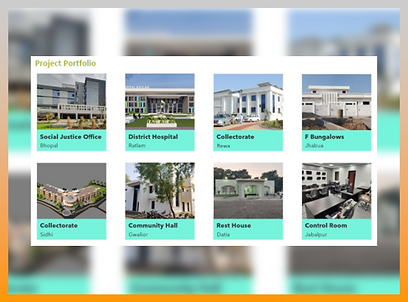
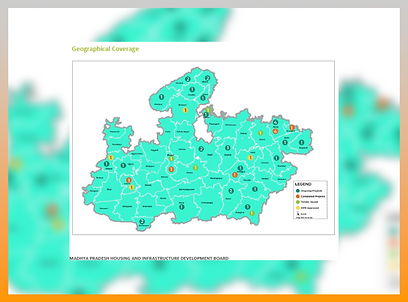
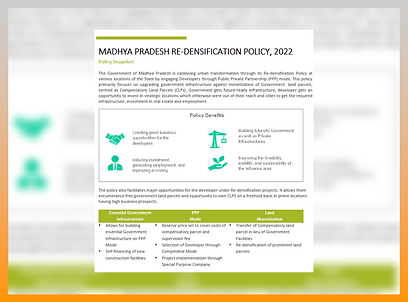
In 2016, the Government of Madhya Pradesh introduced a Re-densification Policy aimed at transforming urban areas through strategic redevelopment. The policy enabled the construction of modern and efficient government facilities by leveraging Public-Private Partnership (PPP) models. The Madhya Pradesh Housing and Infrastructure Development Board (MPHIDB) was designated as one of the primary implementing agencies for these initiatives. Currently, MPHIDB is executing re-densification projects worth approximately Rs. 5,000 crores across various stages of development. This initiative aligns with the Government of Madhya Pradesh’s vision to optimally utilize government land as a financial and developmental resource to strengthen public infrastructure. Urban Innovation Lab (appointed through CEDMAP) was engaged to provide Project Management Unit (PMU) services to support MPHIDB’s re-densification initiatives. The primary objective was to strengthen monitoring mechanisms, improve project tracking, and minimize delays and cost overruns. A dedicated consultant team was embedded within the PMU at MPHIDB headquarters in Bhopal. Under the guidance of the Commissioner and Additional Commissioner, the team conducted regular field visits and coordinated with District Collectors, local MPHIDB staff, and other concerned departments. A structured monitoring framework was developed to cover all phases of the re-densification project lifecycle.Services Provided
Diagnostics Phase
- Interpretation and analysis of the Re-densification Policy objectives.
- Stakeholder mapping and lifecycle assessment of projects.
- Review of approval processes and existing monitoring systems.
- Identification of key risks and delay factors.
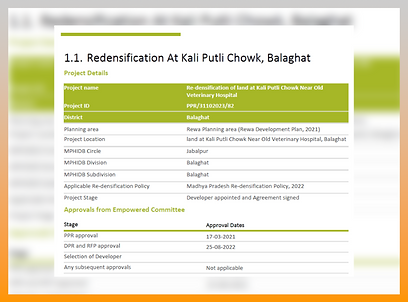
- Preparation of a comprehensive diagnostics report with lifecycle case studies and delay timelines.
Design Phase
- Development of a customized project monitoring framework.
- Identification of lifecycle indicators and monitoring goals.
- Proposal of process improvements and structural changes.
- Creation of project monitoring formats and responsibility matrix.
- Revision and development of Standard Operating Procedures (SOPs).
Implementation Phase
- Application of monitoring frameworks to real-time projects.
- Categorization of projects for systematic progress tracking.
- Preparation and submission of monthly monitoring reports.
- Identification of projects at risk of delays or budget overruns.
- Ensuring compliance with concession agreements and reporting norms.
- Updating project data on web portals and proposing monitoring dashboards.
- Updating SOPs for re-densification project implementation.
Technology Integration and Dashboard Development
- Design and deployment of an advanced monitoring dashboard.
- Integration with ERP-based software systems developed by IT vendors.
- Automated tracking and alert generation mechanisms.
- Role-based login systems aligned with authority delegation levels.
Technical and Administrative Support
- Preparation of detailed status reports and approval memorandums.
- Drafting of board resolutions and cabinet approval note sheets.
- Development of tender documents and bid process management.
- Clarification of pre-bid queries and advisory support.
- Technical advisory on project delays, encumbrances, and land use change matters.
- Support to divisional and circle-level offices to ensure cohesive project governance.